Room Parents With Databases: The PTA Volunteers Outbuilding Their School Districts
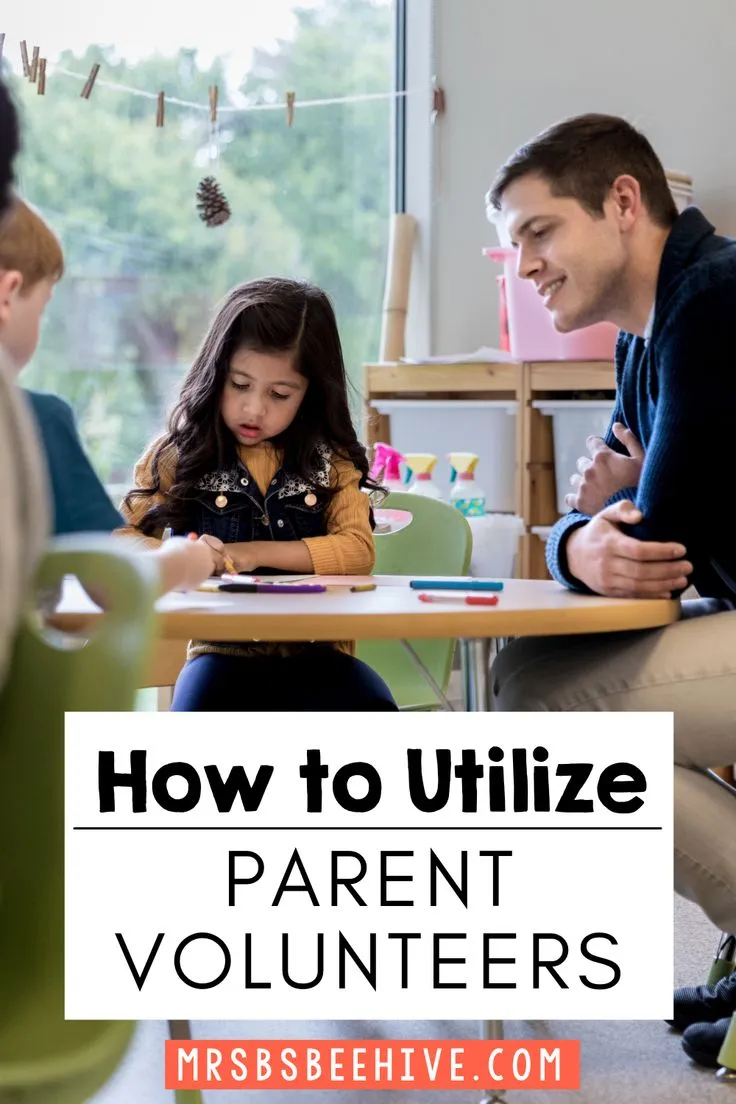
Photo: parent volunteer organizing school event with laptop in classroom, via i.pinimg.com
Every Tuesday night, somewhere in America, a parent is sitting at a kitchen table with a laptop, a lukewarm cup of coffee, and a Bubble editor open. They're not building a startup. They're building the permission-slip tracker their kid's elementary school has needed for three years.
Welcome to the most overlooked user base in no-code: the PTA volunteer.
The $10,000 Permission Slip
Ask any school district about buying software and you'll hear about procurement. Committees. RFPs. Vendor risk assessments. A simple field-trip app can take a district nine months and five figures to approve — if it ever gets approved at all.
Compare that to Maria Delgado, a PTA co-president in suburban Ohio, who spun up a permission-slip and waiver tracker on Glide in two weekends for $25 a month. "The district said the vendor review alone would take until spring," she told us. "Spring was too late. Soccer season was happening now."
Her workaround isn't unique. It's becoming the norm.
Three Volunteers, Three Tools, Zero Tickets
We interviewed three PTA builders in three different states, and the pattern is striking:
- Maria (Ohio) runs waivers, field trips, and a volunteer hour log on Glide. Roughly 400 families use it.
- James (Texas) built a carpool-line scheduler in Softr and Airtable after the pickup line at his kids' school became, in his words, "a low-speed traffic jam with children in it."
- Priya (New Jersey) manages the entire fall fundraiser — inventory, shifts, payments reconciliation — on a stack of Airtable, Make, and a Stripe link, replacing a $3,000 custom quote from a district-approved vendor.
None of them code. All of them now maintain software that hundreds of families depend on weekly.
What Happens When Nobody in IT Built It
Here's where it gets uncomfortable for district technology offices: these tools work. They're cheaper, faster to ship, and — honestly — better liked than most district-procured portals. Parents actually use them.
But there's a shadow side, and the volunteers know it. Student names, emergency contacts, medical notes — sensitive data living in a tool some PTA treasurer pays for with a personal credit card. Who owns that data when Maria's term ends? What happens if the platform changes pricing mid-school-year?
Priya put it plainly: "I export everything to a backup spreadsheet every month. It's the responsible thing to do. It's also the thing the district should've been doing for us."
The Handoff Nobody Plans For
The classic PTA problem just got a software-shaped upgrade. For decades, the risk was a binder of handwritten contacts disappearing when the room parent's kid graduated. Now it's a Zapier account, a database, and three automations nobody documented.
The most successful volunteer builders we spoke to share one habit: they treat handoff as a feature, not an afterthought. Shared logins, a one-page "how this thing works" doc, and a named successor before the school year ends. That's it. That's the whole continuity plan.
What Districts Should Learn From This
Some districts are fighting shadow software. The smarter ones are embracing it. A handful of PTAs we heard from have struck informal deals: the district looks the other way on the tool, the volunteers share their setup documentation, and everyone pretends the procurement cycle doesn't exist.
It's not a policy. It's a truce. But it might be the most honest picture of what no-code has done in 2025 — put working software in the hands of people who needed it yesterday, procurement be damned.
The next time you're standing in a carpool line moving at a glacial pace, take comfort: somewhere nearby, a parent is probably building the fix.